
Kaduna Debt Crisis: ABG Pledges Forensic Audit, Debt Restructuring Within 100 Days
By Uangbaoje Alex, Kaduna
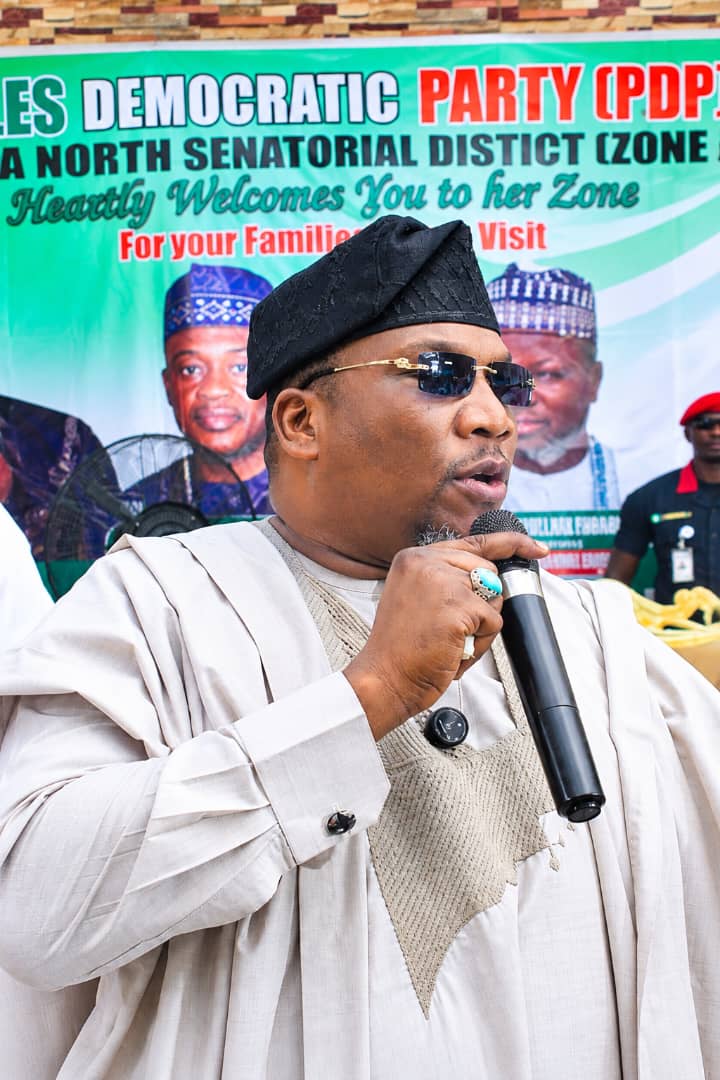
Kaduna State governorship candidate of the Peoples Democratic Party (PDP), Usman Shehu Bawa, popularly known as ABG, has pledged to conduct an independent forensic audit of the state’s debts within his first 100 days in office if elected.
Bawa said his proposed administration would also pursue debt restructuring, strengthen fiscal transparency and reduce the cost of governance to free up resources for security, education, healthcare, infrastructure and job creation.
In a policy statement titled “How I Will Confront the Debt Crisis in Kaduna State,” the PDP candidate said the state could not achieve its development potential if an increasing proportion of public revenue continued to go into debt servicing at the expense of essential services.
According to him, Kaduna State’s 2026 approved budget allocated ₦80.21 billion to debt servicing, with approximately ₦40.29 billion reportedly expended by June.
He argued that the funds could otherwise support critical public services and create economic opportunities for residents.
Bawa said the proposed audit would cover domestic and external loans, contractual liabilities, arrears, guarantees and the utilisation of borrowed funds.
He added that the findings would be reconciled with creditors and made public, subject to legitimate confidentiality requirements.
The PDP candidate also cited concerns raised in the Auditor-General’s annual reports over the reported failure of the state government to provide comprehensive statements of contractual liabilities and internal and external loans for audit.
He said the alleged non-compliance with Sections 14(1) and (2) of the Kaduna State Audit Law, 2021, underscored the need for stronger financial accountability and enforcement of existing laws.
“My administration will enforce compliance with the law, ensure the Auditor-General receives the necessary records, and institutionalise regular debt disclosure and independent verification,” he said.
Bawa pledged to work with the Debt Management Office, the Federal Ministry of Finance, multilateral institutions and other creditors to negotiate more favourable repayment terms, including longer repayment periods and lower interest costs where possible.
He, however, said any restructuring proposal would be subjected to financial and debt-sustainability assessments to ensure it reduced the state’s long-term financial burden rather than merely postponing repayment obligations.
The candidate further promised to strengthen debt management institutions, fully constitute the statutory Debt Management Committee and review relevant laws and policies to improve professional competence, fiscal discipline and accountability.
On expenditure management, Bawa said his administration would review the cost of governance and introduce stronger procurement controls, expenditure reviews, transparent reporting and effective enforcement of fiscal responsibility laws.
He maintained that government must demonstrate fiscal discipline before asking citizens to bear additional financial burdens.
The PDP candidate also pledged to align borrowing and public expenditure with the development priorities outlined in his P.E.O.P.L.E Agenda, using revenue forecasts, fiscal space analysis, community-driven needs assessments and expenditure reviews to determine spending priorities.
He said borrowing would be restricted to legally permissible and economically justified purposes, with clear implementation milestones and measurable public benefits.
Bawa identified revenue generation and economic diversification as essential to reducing the state’s dependence on borrowing.
He promised to modernise tax administration through technology, improve tax compliance, broaden the tax base and strengthen property and business tax administration without imposing arbitrary burdens on residents.
His proposed economic measures include supporting micro and small businesses, expanding access to finance, promoting digital innovation, attracting responsible private investment and improving the business environment for agriculture, industry and services.
According to him, expanding economic activity and employment would strengthen internally generated revenue and improve the state’s capacity to meet existing debt obligations.
Bawa also pledged to publish regular debt and fiscal performance reports and link debt-sustainability assessments to the state’s 10-year Development Plan.
He said a high-level team of financial, legal and economic experts would coordinate negotiations with creditors and safeguard the state’s long-term interests.
The candidate added that his administration could consider carefully structured bonds, concessional financing and public-private partnerships for viable investments, provided they met requirements for affordability, legality, value for money and sustainability.
He maintained that addressing Kaduna State’s debt challenge would require more than rescheduling repayments, stressing the need for expenditure discipline, stronger revenue generation, productive investments and institutional accountability.
Bawa said his proposed P.E.O.P.L.E Agenda was aimed at protecting essential services, expanding opportunities for young people and ensuring that future generations inherited economic opportunities rather than an unsustainable financial burden.


