
Group Reviews Kaduna Environment Policy, Seek Resilient, Inclusive Framework
By Uangbaoje Alex, Kaduna
Stakeholders in Kaduna State have intensified calls for the review of the 2019 Environment Policy, urging a more inclusive, practical, and forward-looking framework that reflects current realities of climate change and conflict.
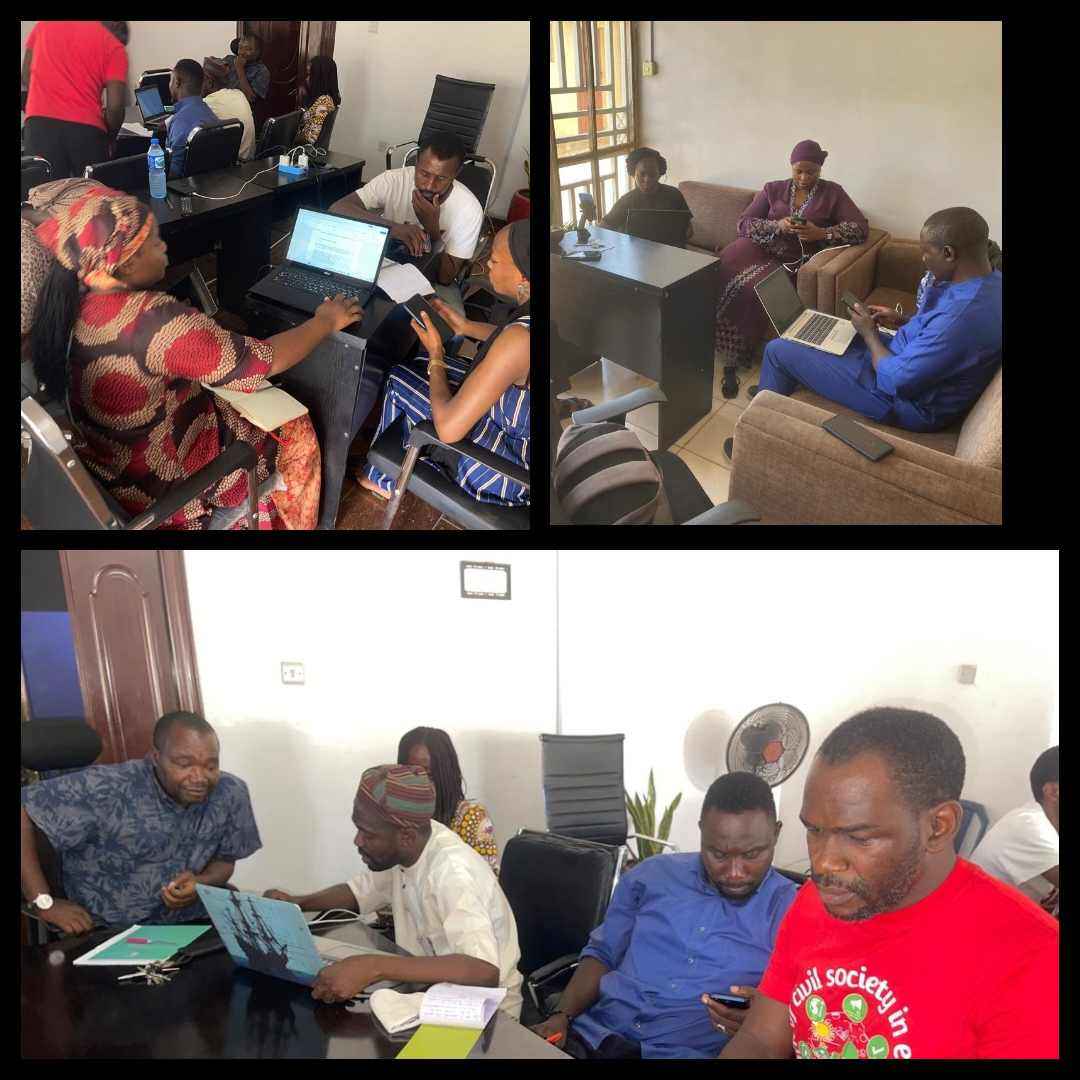
The call came on Friday, during a strategic review session organized by the Network of Civil Society in Environment (NCSE) in collaboration with support from the Strengthening Peace and Resilience in Nigeria (SPRiNG) programme.
In her opening remarks, NCSE State Coordinator, Gloria Kasang Bulus, stressed the need for policies that go beyond documentation to truly reflect citizens’ needs and lived experiences.
“We must ensure that we have policies that speak to our local context and realities, not just documents that exist on paper,” she said.
Bulus noted that while Nigeria’s Climate Change framework exists, gaps remain in implementation and citizen ownership. She called for renewed engagement between civil society and lawmakers, recalling previous efforts to establish a government–civil society dialogue platform.
“There is a need for us to re-engage with legislators and ensure that policies are not only well-designed but also effectively implemented,” she added.
She emphasized that the current policy review must be participatory, warning against a one-sided process that excludes key stakeholders.
“This time, we want a policy that everyone contributes to and takes ownership of. Climate change affects all of us, regardless of status, gender, or background. So the response must be collective,” Bulus said.
Also speaking, Kaduna State Team Lead of the SPRiNG programme, Barau Emmanuel, highlighted the broader objective of the initiative, which is to build resilient communities capable of withstanding the shocks of both conflict and climate change.
According to him, climate change and conflict are increasingly interconnected, requiring integrated responses from government and stakeholders.
“The main objective is to have communities that are resilient to the shocks of conflict and climate change,” Emmanuel said.
He explained that SPRiNG, alongside its sister project, the Partnership for Agile Climate Engagement (PACE), is supporting the state through technical assistance and policy strengthening efforts.
“One of the key ways we drive implementation is by supporting public institutions. We are providing technical assistance to ensure that Kaduna State is up to date in terms of policies,” he noted.
Emmanuel pointed out that the current environment policy, developed in 2019, is now outdated given evolving climate risks and conflict dynamics.
“Six years is a long time. The realities have changed, and the policy must reflect present-day challenges,” he said.
He further emphasized the importance of positioning Kaduna State to access international climate financing, noting that this requires putting in place the necessary structures, systems, and accountability mechanisms.
“Our goal is to ensure that Kaduna State is ready to develop credible proposals and meet the requirements for accessing international climate finance,” he added.
Both speakers underscored the importance of collective responsibility, urging citizens, civil society, and government actors to actively contribute to the policy review process.
Participants at the session were drawn from accountability mechanisms and civil society coalitions in Kaduna.
The session forms part of ongoing efforts to strengthen environmental governance in Kaduna State, enhance resilience, and unlock opportunities for sustainable development financing, with support from the UK Foreign, Commonwealth and Development Office (FCDO).


